
Hearing services
Everything your ears need, in one place
Testing, treatment and ongoing care from an experienced audiologist, at the clinic or where you live.

Hearing assessments
Find out exactly how you are hearing
Hearing loss is easy to miss, and the people around you may doubt it too. Testing early can stop it getting worse and means you can start the right treatment sooner. If you suspect a problem for yourself, a friend or a family member, book an assessment.
The tests we choose depend on why you are visiting, whether that is a full diagnostic evaluation, a workers' compensation assessment or a pre-employment hearing test.
Tests we may use
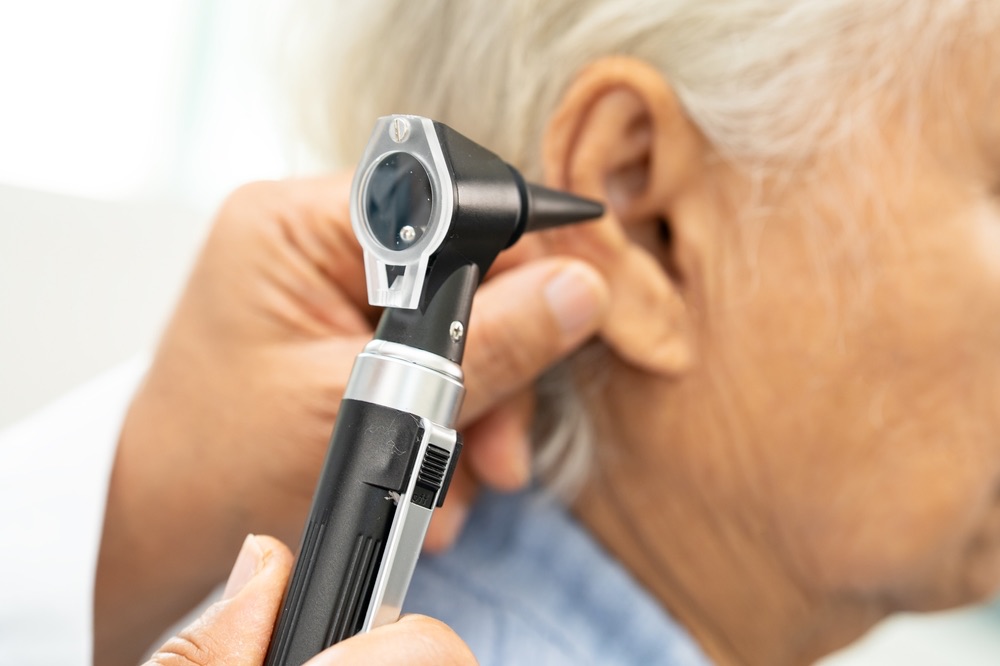
- Otoscopy (a look inside the ear canal)
- Pure tone audiometry, air and bone conduction
- Tympanometry (how the eardrum moves)
- Speech testing in quiet and in noise, with and without hearing aids
We will ask about
- Why you feel your hearing has changed
- Any ear pain, repeated ear infections or past ear operations
- Loud noise at work or in your hobbies

Tinnitus counselling and management
When the ringing will not stop
Tinnitus is hearing a sound that has no outside source. People describe ringing, rushing, buzzing or a sound like cicadas. It may come and go or be constant, and it can be distressing.
Tonal tinnitus is the more common type, a steady whistle, buzz or ring. Non-tonal tinnitus sounds more like rumbling, humming, crackling or clicking.
Common causes
- Long exposure to loud noise
- Ear wax pressing on the eardrum
- High stress or trauma
- Certain medications
- Otosclerosis
- Ménière's disease
- A growth pressing on the hearing nerve
How we help
Management starts with counselling, then hearing tests to look for an underlying cause. From there we recommend the therapy that suits you best.
Static noise therapy
Hearing devices with a masking feature play soft sounds that draw your attention away from the tinnitus.
Modulated noise therapy
Tuned sound signals that cover the tinnitus. Often helpful for people whose tinnitus worsens with stress.
Notch therapy
Works quietly in the background, with no audible sound, to make tinnitus less bothersome over time.
Tinnitus affects everyone differently. Our aim is to reduce how much it bothers you day to day, and results vary from person to person.
Ear wax removal (micro suction)
Gentle, water-free ear wax removal
Ear wax (cerumen) is your body's way of keeping dust and dead skin out of the ear canal. It does not usually need removing, but when it becomes compacted it can muffle your hearing and stop hearing aids working properly.
Signs of compacted ear wax
- Muffled hearing
- A blocked feeling
- Earache or itching
- Discharge or odour
- Tinnitus
- A hearing aid that whistles or seems faulty
Look
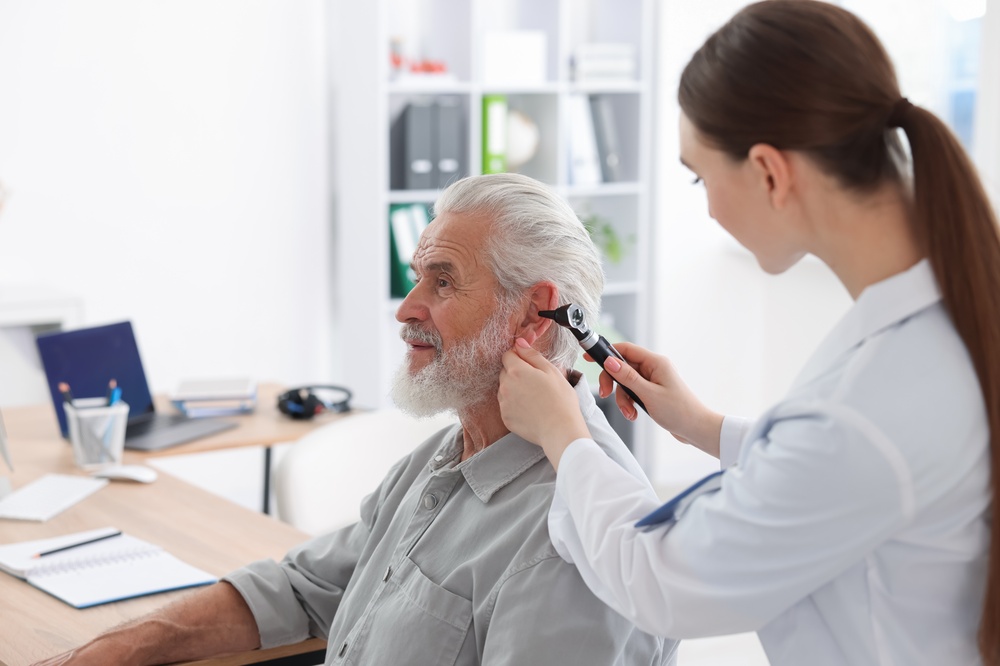
A small funnel is placed in the ear canal and your clinician examines it under bright light magnification.
Remove
A fine suction tube on a low-pressure machine lifts out wax and debris while the clinician keeps watching the ear.
Finish
If needed, tiny instruments such as a fine scoop clear any remaining wax, then we check the ear canal and eardrum.
Nursing home and home visits
Clinic-quality care where you live
Some people find a trip to the clinic difficult or impossible because of injury or limited mobility. We bring our services to your home or residential aged care facility, whether you need a hearing test or help with a hearing aid.
- Hearing assessments
- Ear wax removal
- Hearing aid fitting
- Maintenance and repairs
Why families choose home visits
- No travel or transport to organise
- We work with care staff so visits are safe, quick and easy
- Regular visits can be booked for a parent who needs ongoing help


Aftercare, repairs and maintenance
Always by your side after the fitting
Looking after your hearing aids matters as much as choosing them. Our aftercare keeps your hearing and your devices in good shape for years.
- Annual hearing aid checks
- Annual hearing assessments
- Ear wax management
- In-clinic repairs: wax management, broken domes, battery doors and microphone covers
Caring for hearing aids at home
We share these tips when your hearing aids are fitted, and go over them at every check-up.
- Change filters regularly
- Brush tips, earmoulds and microphones daily
- Keep your hearing aids dry
- Remove batteries from aids you are not using, as they can corrode
- Change disposable batteries weekly
- Book professional maintenance and repairs promptly
Industrial deafness assessments
Hearing loss caused by noise at work
Industrial deafness, or occupational noise-induced hearing loss, comes from long exposure to loud workplace noise such as machinery, power tools, engines and heavy equipment. Loud noise damages the tiny hair cells in the inner ear that turn sound into signals for the brain, and that damage can be permanent.
If your hearing has been damaged by your work environment, you may be able to make an industrial hearing loss claim. An independent hearing assessment is an important first step.

Industries where noise damage is most common
Hearing protection
Protect the hearing you have
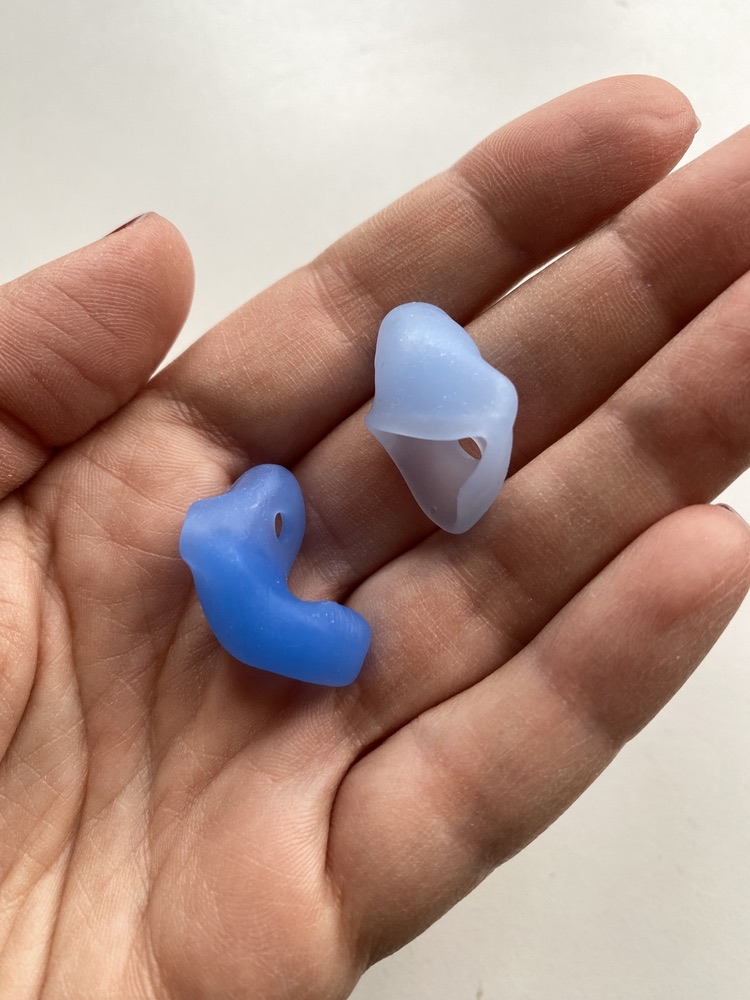
Noise-induced hearing loss can be prevented, but it cannot be cured. Custom-fitted earplugs block harmful sound and water while still letting you hear at a safe level.
Noise plugs
For industrial workers and anyone exposed to loud noise for long periods. They let only a safe volume reach the ear.
Musician plugs
For performers and music lovers. They lower the volume while keeping music and speech rich and clear.
Swim plugs
Keep water out of your ears to help prevent ear infections.
Book a hearing assessment
Ready to hear the conversation again?
Call to book a time with Prasanth, or send an enquiry and we will call you back. Eligible pensioners and veterans may be covered under government programs.